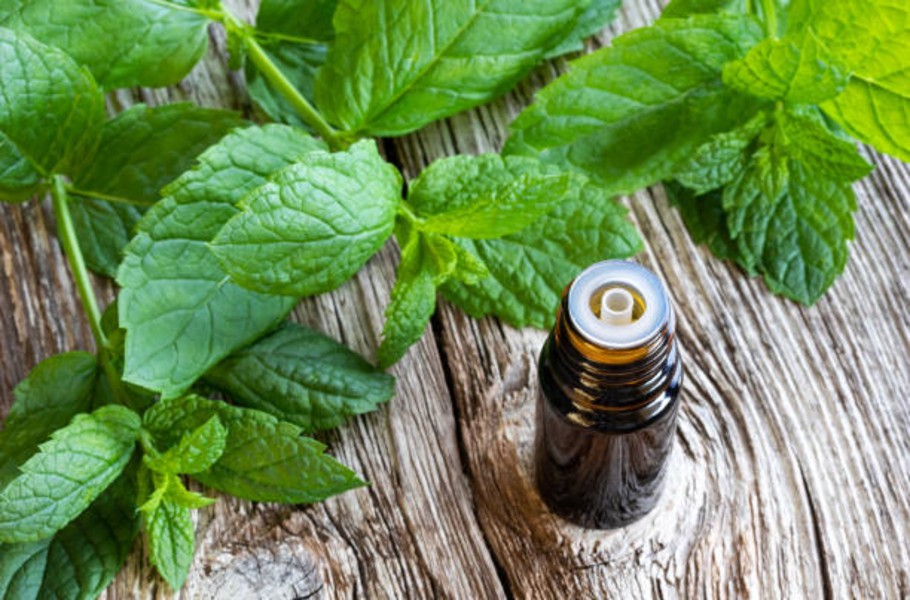


Clean label has evolved from niche positioning to mainstream expectation. Consumers increasingly seek products with recognizable ingredients, minimal processing, and transparency about what they're consuming. This trend creates both opportunity and challenge for formulators working with peppermint oil.
The opportunity: peppermint oil fits naturally into clean label positioning as a botanical ingredient with heritage use and strong consumer recognition. The challenge: delivering the performance consumers expect while meeting clean label criteria that may restrict processing methods, additives, or formulation approaches that typically support stability and consistency.
Understanding how to leverage peppermint oil in clean label products—and what compromises or trade-offs may be necessary—helps you develop products that satisfy both consumer values and performance requirements.
What Clean Label Means for Ingredients
Clean label isn't a regulatory definition—it's a consumer perception and marketing positioning built on several principles.
Recognizable Ingredients
Consumers should be able to identify and understand ingredient names without chemistry degrees. "Peppermint oil" scores well here. "Mentha piperita oil" (botanical name) works too. Complex chemical names or E-numbers raise questions.
Minimal Processing
Ingredients produced through simple, traditional methods are preferred over those requiring extensive chemical processing, synthetic steps, or significant alteration from natural state.
Steam-distilled peppermint essential oil aligns well with this expectation. Steam distillation is an old, understandable process that doesn't involve chemical solvents or synthetic reactions.
Rectified peppermint oil (double-distilled) requires more explanation but can still fit clean label frameworks because rectification is just additional distillation—still a physical process without chemical modification.
Isolated components like pure menthol crystals become more questionable. Though derived from natural peppermint, the purification process distances the ingredient from its botanical origin. Some clean label frameworks accept this; others prefer whole essential oils.
Minimal Additives
Clean label products minimize ingredients that exist solely for technical functions (preservatives, stabilizers, emulsifiers) rather than contributing to core product identity.
This affects how you formulate with peppermint oil. Traditional approaches using synthetic emulsifiers or stabilizers may not fit clean label expectations even when those additives support peppermint oil performance.
Transparency and Traceability
Consumers want to know where ingredients come from and how they're produced. This favors suppliers who can document cultivation regions, processing methods, and supply chain details.
Peppermint oil sourced from specific geographic regions with known cultivation practices supports clean label positioning better than material from unknown or constantly changing origins.
Peppermint Oil's Clean Label Advantages
Several characteristics make peppermint oil naturally suited to clean label applications.
Heritage Use and Consumer Recognition
Peppermint has been used for centuries in food, medicine, and personal care. Consumers recognize it immediately and have positive associations with freshness, natural relief, and traditional remedies.
This heritage provides credibility that synthetic alternatives or novel ingredients lack. You're not asking consumers to trust unknown ingredients—you're leveraging familiar botanical materials with established safety and efficacy.
Simple Production Methods
Steam distillation doesn't require organic solvents, chemical reactions, or genetic modification. It's a straightforward process of applying steam to plant material and capturing the aromatic volatile compounds.
This simplicity is communicable. Brands can explain peppermint oil production in terms consumers understand and accept as natural and minimally processed.
Multifunctional Benefits
Peppermint oil provides flavor, aroma, cooling sensation, and functional properties (antimicrobial effects in some applications). This multifunctionality means fewer separate ingredients are needed to achieve desired product characteristics.
Clean label products benefit from ingredient efficiency—each ingredient should contribute meaningfully rather than serving only narrow technical functions. Peppermint oil's multiple benefits support this goal.
Natural Preservation Support
While peppermint oil alone isn't sufficient preservation for most applications, its antimicrobial properties can contribute to preservation systems, potentially reducing reliance on synthetic preservatives.
Clean label preservation strategies often use combination approaches—pH control, water activity reduction, natural antimicrobials, and hurdle technology. Peppermint oil can be one element in these systems.
Formulation Challenges in Clean Label Context
Clean label principles create constraints that complicate formulation, especially when working with essential oils.
Emulsification Without Synthetic Surfactants
Traditional peppermint oil emulsification uses polysorbates, synthetic emulsifiers that effectively disperse oil in water. But polysorbate names (polysorbate 20, polysorbate 80) sound technical and chemical to consumers.
Clean label formulations need alternative emulsification approaches. Natural lecithin (from sunflower or soy) can emulsify essential oils but requires higher concentrations and creates different sensory profiles—sometimes cloudy appearance or distinct flavor notes.
Quillaja extract (soap bark) provides natural emulsification but has usage limitations and can create foam in oral care applications. Acacia gum (gum arabic) works in beverages but affects viscosity and mouthfeel.
These natural emulsifiers function but require reformulation expertise. Direct substitution rarely works—formulations must be rebuilt around natural emulsifiers' different characteristics.
Stability Without Synthetic Antioxidants
Peppermint oil oxidizes over time, leading to off-flavors and aroma degradation. Traditional solutions include synthetic antioxidants like BHT or BHA—effective but incompatible with clean label positioning.
Natural antioxidants include mixed tocopherols (vitamin E), rosemary extract, and ascorbic acid (vitamin E). These work but often less effectively than synthetic alternatives. Higher concentrations may be needed, potentially affecting cost and sensory profile.
Some natural antioxidants contribute flavor or color. Rosemary extract has herbal notes that can complement or clash with mint depending on application. This requires sensory optimization beyond just adding antioxidant at technical levels.
Preservation in Reduced-Additive Formulations
Clean label pressure reduces preservative options. Consumers resist parabens, formaldehyde-releasing preservatives, and even natural preservatives with chemical-sounding names.
Peppermint oil's antimicrobial properties help but aren't sufficient alone. Clean label preservation strategies must combine multiple approaches—appropriate pH, careful water activity control, natural antimicrobial combinations, and sometimes reduced ambient temperature storage requirements.
This complexity increases formulation difficulty and may limit product formats. Some aggressive clean label products accept shorter shelf life or refrigeration requirements rather than using preservatives consumers question.
Practical Strategies for Clean Label Peppermint Formulations
Several approaches help formulators meet clean label expectations while maintaining product performance.
Emphasize Whole Essential Oil Over Isolated Components
When possible, use complete peppermint essential oil rather than isolated menthol. Whole oil maintains botanical integrity and reads as less processed even though both materials are natural.
If cooling intensity requires boosting, consider using higher concentrations of whole oil before adding isolated menthol. If menthol addition is necessary, some brands list it as "menthol (from peppermint)" to maintain botanical connection in consumer perception.
Leverage Natural Co-Ingredients
Formulate with other natural ingredients that support peppermint oil functionality. Natural carrier oils can help solubilize peppermint oil while contributing their own benefits. Natural emulsifiers from botanical sources (lecithin, quillaja, acacia) align with clean label principles even when requiring formulation adjustments.
Natural preservation combinations—essential oil blends with complementary antimicrobial properties—reduce reliance on synthetic preservatives. Peppermint oil combined with other antimicrobial essential oils (tea tree, thyme, oregano in appropriate applications) creates broader spectrum protection.
Accept Some Performance Trade-offs
Clean label positioning sometimes requires accepting products that perform somewhat differently than conventional alternatives. Slightly cloudier beverages if using natural emulsifiers instead of clear synthetic systems. Shorter shelf life if using natural preservation rather than synthetic preservatives. Some sensory complexity if natural antioxidants contribute background notes.
Consumer research helps determine which trade-offs are acceptable. Many consumers tolerate slight performance compromises in exchange for clean label credentials. Understanding these boundaries guides reformulation priorities.
Optimize Processing to Reduce Additive Needs
Sometimes processing modifications reduce dependence on additives that complicate clean label claims. Hot-fill processing for beverages can enable reduced preservative use. Controlled atmosphere packaging extends shelf life without additional chemical preservation. Cold processing in cosmetics can preserve more volatile character while reducing thermal degradation that would otherwise require antioxidant protection.
These processing optimizations require capital investment and operational changes but can enable cleaner label formulations than are possible with standard manufacturing approaches.
Communicating Peppermint Oil in Clean Label Context
How you describe peppermint oil on labels and marketing materials affects consumer perception and clean label credibility.
Ingredient Declaration Best Practices
"Peppermint oil" is clear and consumer-friendly. "Mentha piperita oil" is more technical but still acceptable and may appeal to consumers who appreciate botanical nomenclature. "Natural peppermint flavor" is common in food applications and regulatory acceptable but less transparent about ingredient identity.
For pharmaceutical or regulated products, nomenclature may be dictated by regulations. Work within those constraints while providing additional transparency in marketing materials.
Origin and Processing Transparency
Clean label consumers value transparency. Sharing information about peppermint oil origin, cultivation practices, and processing methods builds credibility and differentiates from competitors who treat ingredients as generic commodities.
Statements like "steam-distilled from peppermint grown in [region]" or "extracted using traditional steam distillation without chemical solvents" communicate clean label alignment.
Some brands go further with supplier partnerships, visiting farms, documenting cultivation practices, and creating compelling stories about ingredient sourcing. This works particularly well for premium brands where consumers expect and value this transparency.
Avoiding Greenwashing Pitfalls
Transparency must be honest. Don't overstate natural credentials or selectively highlight certain ingredients while hiding others that undermine clean label positioning. Consumers increasingly research products and can identify inconsistencies between claims and ingredient reality.
If your formulation includes some conventional ingredients alongside peppermint oil, be honest about this. "Made with natural peppermint oil" is accurate. "100% natural" isn't if other ingredients don't meet that standard. Greenwashing damages brand trust more than honest partial clean label positioning.
Market Segments and Clean Label Intensity
Not all products need aggressive clean label positioning. Understanding which market segments value this helps you allocate reformulation effort appropriately.
Children's Products
Parents scrutinize children's product ingredients intensely. Clean label positioning resonates strongly here. Investing in natural emulsifiers, natural preservation, and whole essential oils rather than isolated components makes sense for children's toothpaste, body care, or foods.
Premium Adult Products
Adult consumers willing to pay premium prices often value clean label credentials. Premium oral care, specialty foods, and high-end cosmetics benefit from clean label formulations using quality peppermint oil with transparent sourcing.
Wellness and Natural Channel Products
Products sold through natural food stores or wellness-oriented retailers face consumer bases with strong clean label expectations. Success in these channels often requires reformulation beyond mainstream standards.
Mainstream Value Products
Price-sensitive mainstream products can acknowledge peppermint oil's natural credentials without intensive reformulation toward aggressive clean label targets. Mentioning natural peppermint oil in marketing while using conventional supporting ingredients may suffice.
The Business Case: Does Clean Label Pay?
Clean label reformulation costs money—natural ingredients often cost more, formulation development requires additional time, and processing optimizations may need capital investment. Does this investment deliver returns?
Premium Pricing Opportunities
Many consumers pay premium prices for clean label products. If clean label positioning enables 10-15% price premium, material cost increases and reformulation investment can be justified.
Test consumer willingness to pay before committing to expensive reformulation. Premium pricing assumptions that don't match market reality create margin problems.
Market Access
Some retail channels strongly prefer or require clean label products. Natural food retailers, certain mainstream retailers targeting health-conscious consumers, and international markets with different ingredient acceptance all favor clean label formulations.
Clean label positioning can be market access enabler worth investment even without immediate premium pricing if it opens distribution opportunities.
Brand Differentiation
Competitive categories benefit from differentiation. Clean label positioning using quality peppermint oil creates marketing narratives that distinguish products from commodity competitors.
This differentiation may translate to market share gains, customer loyalty, or retail support that justify clean label investment.
Conclusion: Strategic Clean Label Decisions
Peppermint oil fits naturally into clean label positioning given its botanical origin, heritage use, and simple production. But realizing clean label potential requires thoughtful formulation addressing emulsification, stabilization, and preservation without relying on conventional synthetic additives.
Success requires balancing consumer expectations, performance requirements, regulatory constraints, and economic realities. Not every product needs aggressive clean label positioning. Focus clean label investment where consumers value it, where it enables market access, or where it creates meaningful competitive advantage.
When clean label makes strategic sense, peppermint oil provides strong foundation—recognizable botanical ingredient with multifunctional benefits supporting formulations consumers trust. Combined with natural supporting ingredients and optimized processing, peppermint oil helps create clean label products that satisfy both values and performance expectations without compromise that undermines consumer satisfaction.
The clean label trend shows no signs of reversing. Understanding how to formulate with peppermint oil in this context positions you to meet evolving consumer expectations while delivering products that perform reliably and support your brand promises. Done thoughtfully, clean label positioning using quality peppermint oil creates competitive advantage in markets increasingly driven by transparency, naturalness, and consumer trust.
Have questions about peppermint oil for your application?
Our team provides technical guidance on product selection, formulation support, and procurement assistance for manufacturers worldwide.