
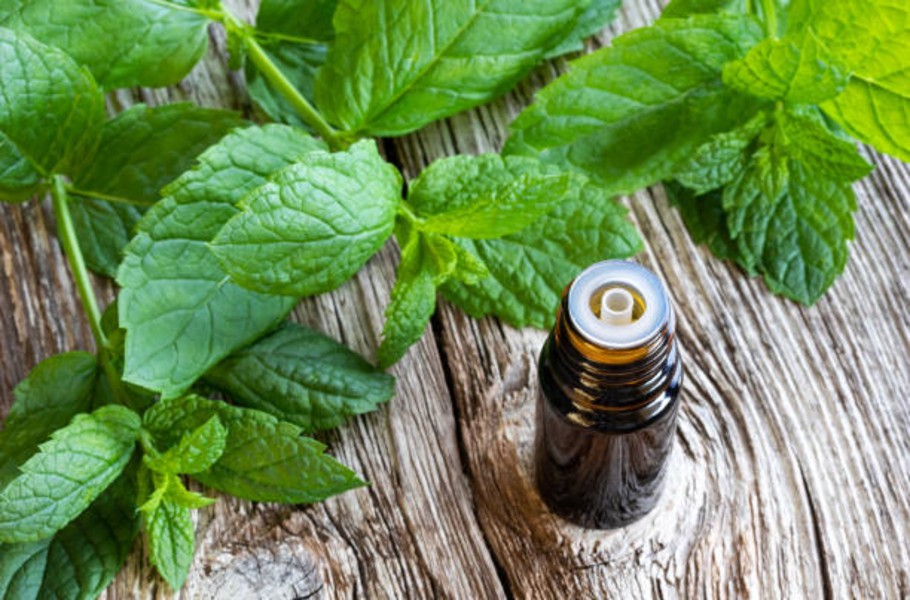
"Pharmaceutical grade" and "food grade" sound like marketing terms, but they represent meaningful differences in processing, testing, documentation, and regulatory compliance. Understanding these distinctions helps you specify appropriate material for your application and avoid either over-spending on unnecessary quality or under-specifying when higher standards are actually required.
The differences aren't just about purity—they encompass the entire quality system surrounding production, testing, documentation, and supply chain management.
Defining the Terms
Food Grade Peppermint Oil meets safety and purity standards for food and beverage applications. It complies with food additive regulations, has appropriate safety testing for oral consumption, and comes with documentation supporting food manufacturing requirements.
Pharmaceutical Grade (USP/Rectified) Peppermint Oil meets United States Pharmacopeia specifications or equivalent pharmacopeial standards. It's processed to pharmaceutical quality system standards with comprehensive testing, validated analytical methods, and documentation supporting use in drug products.
The naming can be confusing because "food grade" material must still be very pure and safe—it's not low quality. But pharmaceutical grade has additional requirements that go beyond food safety.
Processing Differences
Both grades start with steam distillation of peppermint plant material, but pharmaceutical grade undergoes additional processing.
Food Grade Processing:
Standard steam distillation extracts essential oil from plant material. The distillation separates oil from water and plant solids. Quality producers use clean equipment, controlled temperatures, and proper handling to preserve oil quality and prevent contamination.
Good manufacturing practices apply, but they're food GMP rather than pharmaceutical GMP—the standards are appropriate for food ingredients but less stringent than drug manufacturing requirements.
Pharmaceutical Grade Processing:
Rectification—a second distillation—purifies the oil further. This removes impurities that passed through initial distillation and standardizes composition more tightly. The process uses pharmaceutical-quality equipment, validated procedures, and detailed documentation.
Processing occurs under pharmaceutical GMP (21 CFR Part 211 in the US, or equivalent). This requires written procedures for all operations, equipment calibration and maintenance records, environmental monitoring, and comprehensive documentation that isn't mandatory for food production.
The processing difference affects final purity. Rectified oil typically has tighter compositional ranges and lower impurity levels than standard food-grade material.
Testing Requirements: Depth and Documentation
Both grades undergo testing, but pharmaceutical requirements are more comprehensive and more rigorously documented.
Food Grade Testing:
Identity confirmation through physical-chemical parameters (specific gravity, refractive index, optical rotation). Compositional analysis showing major constituents, typically via gas chromatography. Safety screening for pesticide residues, heavy metals, and microbiological contaminants based on food safety regulations.
Testing methods should be reliable and appropriate for food safety, but they don't require formal validation in the pharmaceutical sense.
Certificates of Analysis report results but may not include method details, laboratory accreditation information, or reference to specific testing standards.
Pharmaceutical Grade Testing:
All food-grade testing plus additional requirements specified in pharmacopeial monographs. For USP peppermint oil, this includes tighter specifications for menthol content (44-50% vs. 38-48% typical for food grade), specific limits on minor constituents, and comprehensive impurity testing.
Testing methods must be validated according to ICH guidelines. This means documented studies proving that methods are accurate, precise, specific, and suitable for their intended purpose. Validation requires significant time and expertise beyond routine testing.
Impurity profiling identifies and quantifies compounds that might not be tested in food-grade material. Heavy metals testing is more comprehensive—individual metals rather than just total heavy metals. Solvent residues must be below pharmacopeial limits even though steam distillation shouldn't introduce solvents.
Certificate of Analysis includes much more detail: testing methods used, method references (USP monograph numbers), laboratory accreditation, analyst signatures, and complete chain-of-custody documentation. These details support regulatory filings and inspections.
Regulatory Context and Compliance
The regulatory framework governing use differs significantly between food and pharmaceutical applications.
Food Grade Regulatory Status:
In the US, peppermint oil has GRAS (Generally Recognized As Safe) status for food use. This means it can be used in food products without premarket approval, within reasonable concentrations and following good manufacturing practices.
Food manufacturers must still ensure safety and proper labeling, but regulatory oversight is less intensive than pharmaceutical applications. Suppliers provide material that meets food safety standards without the extensive regulatory filing support required for drugs.
Pharmaceutical Regulatory Status:
Pharmaceutical applications require materials that meet pharmacopeial standards (USP in the US, EP in Europe, JP in Japan). These are official compendia with legally enforceable specifications.
Drug manufacturers must include essential oil specifications in regulatory filings (New Drug Applications, Abbreviated New Drug Applications). Regulatory agencies review these specifications and can audit manufacturing facilities to verify compliance.
Suppliers of pharmaceutical-grade material must be able to support regulatory inspections with documentation proving that material meets pharmacopeial standards and that quality systems comply with pharmaceutical GMP.
This regulatory framework means pharmaceutical-grade material comes with extensive documentation packages—not just a Certificate of Analysis, but also manufacturing records, testing method validation reports, stability data, and potentially supplier audit support.
Supply Chain and Traceability Requirements
Pharmaceutical supply chains have more stringent traceability and quality system requirements than food supply chains.
Food Grade Supply Chain:
Traceability should allow tracking material from supplier through production to finished products. This supports food safety recalls if necessary. Documentation includes batch numbers, production dates, and basic supplier information.
Supplier qualification typically involves reviewing Certificates of Analysis, conducting some verification testing, and confirming that suppliers follow appropriate food safety practices.
Pharmaceutical Supply Chain:
Complete chain-of-custody documentation from cultivation through final packaging. This includes field locations where peppermint was grown, harvest dates, distillation facility details, all processing steps, and intermediate testing results.
Supplier qualification is formal and extensive. Pharmaceutical manufacturers conduct supplier audits verifying that extraction facilities follow pharmaceutical GMP, have appropriate quality systems, maintain validated testing methods, and can support regulatory inspections.
Changes to suppliers, processing facilities, or cultivation regions trigger change control processes requiring impact assessments and potentially regulatory notifications. Food applications have more flexibility for supplier changes.
Cost Implications
Pharmaceutical-grade material costs significantly more than food-grade material—typically 20-50% premium depending on market conditions.
This premium reflects additional processing (rectification), comprehensive testing, method validation, pharmaceutical GMP compliance, detailed documentation, and supplier qualification requirements.
For pharmaceutical applications, this cost is justified and mandatory. Using food-grade material in drug formulations violates regulatory requirements and creates serious compliance issues.
For food applications, pharmaceutical-grade material provides no functional benefit. The extra purity and documentation don't improve food safety or product performance. Specifying pharmaceutical grade for food use wastes money on quality you don't need and can't leverage in your application.
When Each Grade is Appropriate
Choose Food Grade When:
You're formulating food products, beverages, dietary supplements (depending on regulatory classification), cosmetics, or non-medicated oral care products. Your regulatory framework is food safety rather than pharmaceutical regulations. Cost optimization matters and extra pharmaceutical documentation provides no benefit.
Food-grade material is perfectly safe, effective, and appropriate for these applications. It meets all necessary quality standards for consumer safety and product performance.
Choose Pharmaceutical Grade When:
You're formulating products regulated as drugs—medicated lozenges, OTC oral analgesics, enteric-coated capsules, pharmaceutical syrups, or any product making therapeutic claims. Regulatory filings require pharmacopeial-grade ingredients. Your quality system follows pharmaceutical GMP and needs suppliers with compatible systems.
In these cases, pharmaceutical grade isn't optional—it's mandatory for regulatory compliance.
The Gray Area: OTC and Border Products
Some products sit between clear food and pharmaceutical classifications. OTC products sold under drug monographs, medicated cosmetics, and functional foods with health claims create ambiguity about which grade is required.
General guidance:
If the product is regulated as a drug by the relevant authority (FDA in US, EMA in Europe), use pharmaceutical grade. If it makes therapeutic claims ("relieves," "treats," "prevents"), expect pharmaceutical requirements.
If the product is cosmetic, food, or dietary supplement without drug claims, food grade typically suffices unless specific regulations in your market require pharmaceutical standards.
When uncertain, consult regulatory experts or your quality assurance team. The decision affects not just material selection but entire manufacturing and documentation systems.
Can Food-Grade Material Ever Meet Pharmaceutical Requirements?
Sometimes food-grade peppermint oil actually meets USP specifications for composition and purity. The oil itself might be identical. But pharmaceutical grade isn't just about the material—it's about the entire quality system and documentation.
Pharmaceutical applications require validated testing methods, pharmaceutical GMP processing, comprehensive impurity profiling, stability data, and detailed documentation. Even if food-grade oil tests within USP ranges, it lacks the validated testing and documentation pharmaceutical applications require.
Attempting to use food-grade material in pharmaceutical applications by conducting your own testing doesn't satisfy regulatory requirements. The material must come from pharmaceutical-quality supply chains with appropriate manufacturing and testing documentation.
Making the Right Specification Decision
The key is matching material grade to actual application requirements—not over-specifying or under-specifying based on misconceptions about what different grades mean.
Food-grade peppermint oil is high-quality material appropriate for most commercial applications. Don't assume "pharmaceutical grade is always better"—it's simply different, designed for different regulatory contexts.
Pharmaceutical grade is essential when regulations require it, but it's unnecessary expense when food or cosmetic regulations govern your product.
Understanding these differences helps you specify appropriately, communicate knowledgeably with suppliers, justify material selection to internal stakeholders, and optimize costs while ensuring regulatory compliance. The right grade for your application is the one that meets your actual requirements—nothing more, nothing less.
If you have any questions, don't hesitate to reach out to our team.