
Choosing the right peppermint oil grade shouldn't feel like guesswork. Yet many procurement teams and formulators face the same challenge: understanding which derivative actually fits their application requirements without over-specifying or under-delivering on quality.
The peppermint oil market offers multiple grades and derivatives, each designed for specific performance characteristics and regulatory contexts. This guide helps you match material specifications to your actual formulation needs.
Why Peppermint Oil Has Multiple Grades
Peppermint oil isn't a single commodity. The steam-distilled essential oil contains dozens of compounds—menthol, menthone, menthyl acetate, and various minor constituents. Different applications benefit from different balances of these components.
Some formulations need maximum cooling intensity. Others require mint aroma without sharp menthol sensation. Pharmaceutical applications demand validated purity that food-grade material doesn't require. Each grade addresses specific technical or regulatory requirements.
Understanding these differences prevents two common purchasing mistakes: paying for pharmaceutical-grade material when food-grade suffices, or selecting standard oil when your application actually requires specialized derivatives.
Standard Peppermint Essential Oil: The Foundation Grade
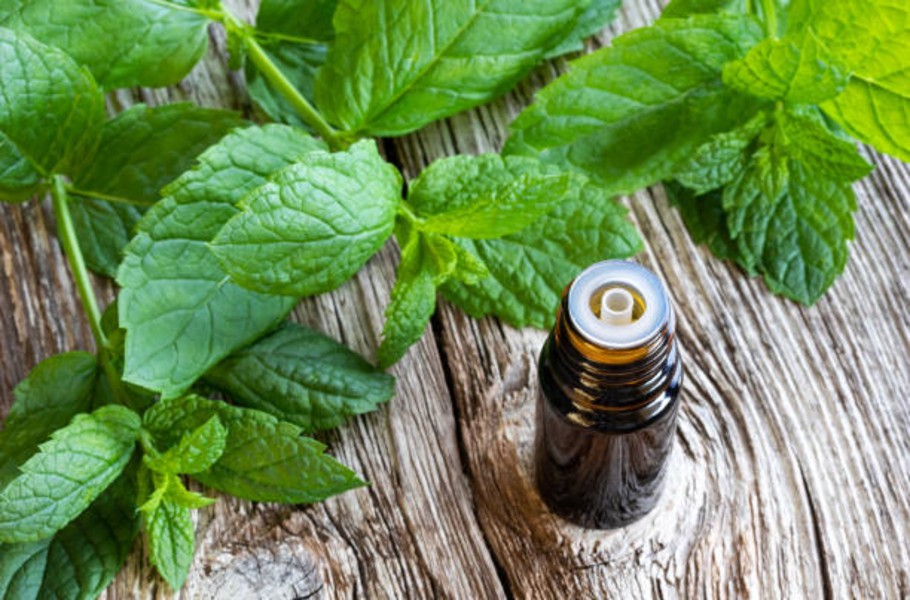
Steam-distilled peppermint essential oil represents the complete natural profile of the plant. It contains 38-48% menthol along with menthone, menthyl acetate, and aromatic minor compounds that create recognizable mint character.
When to choose standard oil:
Your formulation requires authentic mint character with balanced cooling and aroma. You're developing mainstream products for food, cosmetics, or non-medicated oral care where proven performance and cost-effectiveness matter. Regulatory requirements don't mandate pharmaceutical-grade documentation.
Standard oil works in toothpaste, mouthwash, confectionery, beverages, soaps, lotions, and general cosmetic applications. It's the workhorse grade with decades of commercial use supporting its safety and efficacy.
When to look at alternatives:
Your application requires precise menthol content for specific cooling claims. You need pharmaceutical documentation for regulated products. Your formulation targets sensitive consumers who find standard mint too intense.
Rectified/USP Peppermint Oil: The Pharmaceutical Grade
Rectified peppermint oil undergoes additional distillation to meet United States Pharmacopeia specifications. This double-distillation removes impurities and standardizes composition to pharmaceutical standards.
When to choose rectified oil:
You're formulating medicated lozenges, enteric capsules, or OTC products that make therapeutic claims. Regulatory filings require pharmacopeial-grade ingredients. Your quality system demands validated Certificate of Analysis with impurity profiles and heavy metals testing. Audit readiness and chain-of-custody documentation are compliance requirements.
Rectified oil costs more than standard grades because it requires additional processing and comprehensive analytical testing. But for pharmaceutical applications, this grade isn't optional—it's the baseline quality expectation.
When standard grade suffices:
Your product doesn't make drug claims. Food or cosmetic regulations govern your application. Cost optimization matters and standard oil meets all technical requirements.
L-Menthol Crystals: The Precision Tool
Purified menthol crystals isolate the cooling compound at 99%+ purity. This eliminates compositional variability from natural oil batches and enables exact dosing.
When to choose menthol crystals:
You need precise control over cooling intensity. Your formulation requires specific menthol content to support sensory claims tested in consumer research. Batch-to-batch consistency in cooling perception is critical for premium positioning. You're developing long-lasting gums or breath strips where controlled release matters.
Menthol crystals simplify quality verification—menthol content is straightforward to test. They integrate cleanly into both aqueous and oil-based systems. Microencapsulated formats provide controlled release profiles for extended sensory impact.
When whole oil makes more sense:
You want complete mint character, not just cooling. Aromatic complexity matters for your sensory profile. Cost considerations favor natural oil over isolated components.
Dementholized Oil: The Gentle Alternative
Dementholized peppermint oil removes most menthol while preserving aromatic compounds. This creates mint character without intense cooling—typically below 10% menthol compared to 40%+ in standard oil.
When to choose dementholized oil:
You're formulating children's oral care products where traditional mint is too intense. Your target consumers have sensitivity to strong cooling sensations. You need mint aroma in facial products where sharp menthol would be inappropriate. Perfumery applications require herbal mint notes without cooling dominance.
Dementholized oil expands addressable markets by making mint-flavored products accessible to consumers who avoid traditional high-menthol formulations.
When standard oil is preferable:
Your consumers expect traditional mint cooling. Product positioning emphasizes freshness and intensity. Children's products aren't your target demographic.
Menthone-Rich Fractions: The Perfumer's Choice
Fractional distillation isolates heavier aromatic compounds, creating oils with 30-45% menthone and reduced menthol. This shifts the sensory profile toward herbal sweetness and aromatic complexity.
When to choose menthone-rich fractions:
You're developing fragrances where mint should enhance without dominating. Aromatherapy blends need subtle mint presence. Premium cosmetic applications require natural complexity that synthetic alternatives can't replicate. Perfumers need control over mint character and cooling balance.
These specialized cuts give fragrance professionals tools for nuanced scent design while maintaining natural ingredient credentials.
When simpler grades work better:
Straightforward mint impact is your goal. Fragrance subtlety isn't a priority. Cost constraints favor standard grades.
Hydrosol: The Water-Soluble Option
Peppermint hydrosol is the aromatic water co-produced during steam distillation. It carries trace volatile compounds in water-compatible form—no emulsification required.
When to choose hydrosol:
You're formulating facial mists, toners, or body sprays where delicate mint presence matters. Water-based systems make oil incorporation complicated. Clean label positioning values minimalist ingredient lists. Gentle sensory experience suits sensitive skin applications.
Hydrosol integrates directly into aqueous formulations and provides subtle aromatic character suitable for light cosmetic applications.
When essential oil is required:
Significant mint impact is necessary. Oil-based systems accommodate traditional essential oils easily. Aromatic intensity must be higher than hydrosol provides.
Making the Decision: A Framework
Start with these questions:
What regulatory category governs your product? Pharmaceutical applications require rectified/USP grades. Food and cosmetic products can use standard oil unless specific reasons demand alternatives.
What sensory profile do your consumers expect? Traditional mint cooling suggests standard oil or menthol crystals. Gentle mint character points toward dementholized oil or hydrosol. Aromatic complexity for fragrance indicates menthone-rich fractions.
What technical requirements drive formulation? Precise cooling control favors menthol crystals. Broad mint character suggests standard oil. Water compatibility makes hydrosol attractive.
What's your quality documentation requirement? Pharmaceutical quality systems need rectified oil with comprehensive COA. Standard commercial applications work with food-grade documentation.
The Cost-Quality Balance
Higher-grade materials cost more because they require additional processing, testing, and documentation. But the right grade reduces total cost by preventing formulation problems, regulatory complications, and consumer dissatisfaction.
Over-specifying wastes budget on unnecessary quality. Under-specifying creates technical problems that cost more to fix than upgraded material would have cost initially.
The optimal choice matches material specifications to actual application requirements—not more, not less.
Working with Your Supplier
Quality suppliers help you select appropriate grades rather than simply selling premium material regardless of need. Expect technical guidance about which derivative fits your application, sample support for formulation trials, and transparent discussion about when standard grades suffice versus when specialized derivatives add value.
If your supplier can't explain why you should or shouldn't choose a particular grade for your specific application, that's a signal to find suppliers who understand both the technical differences and the practical business implications of grade selection.
The right peppermint oil grade supports successful formulation, meets regulatory requirements, and delivers the sensory profile your consumers expect—all while optimizing procurement costs for your business realities.
Ready to discuss your peppermint oil requirements?
Contact us for product specifications, pricing, and sample availability. Our team responds promptly to qualified inquiries.